

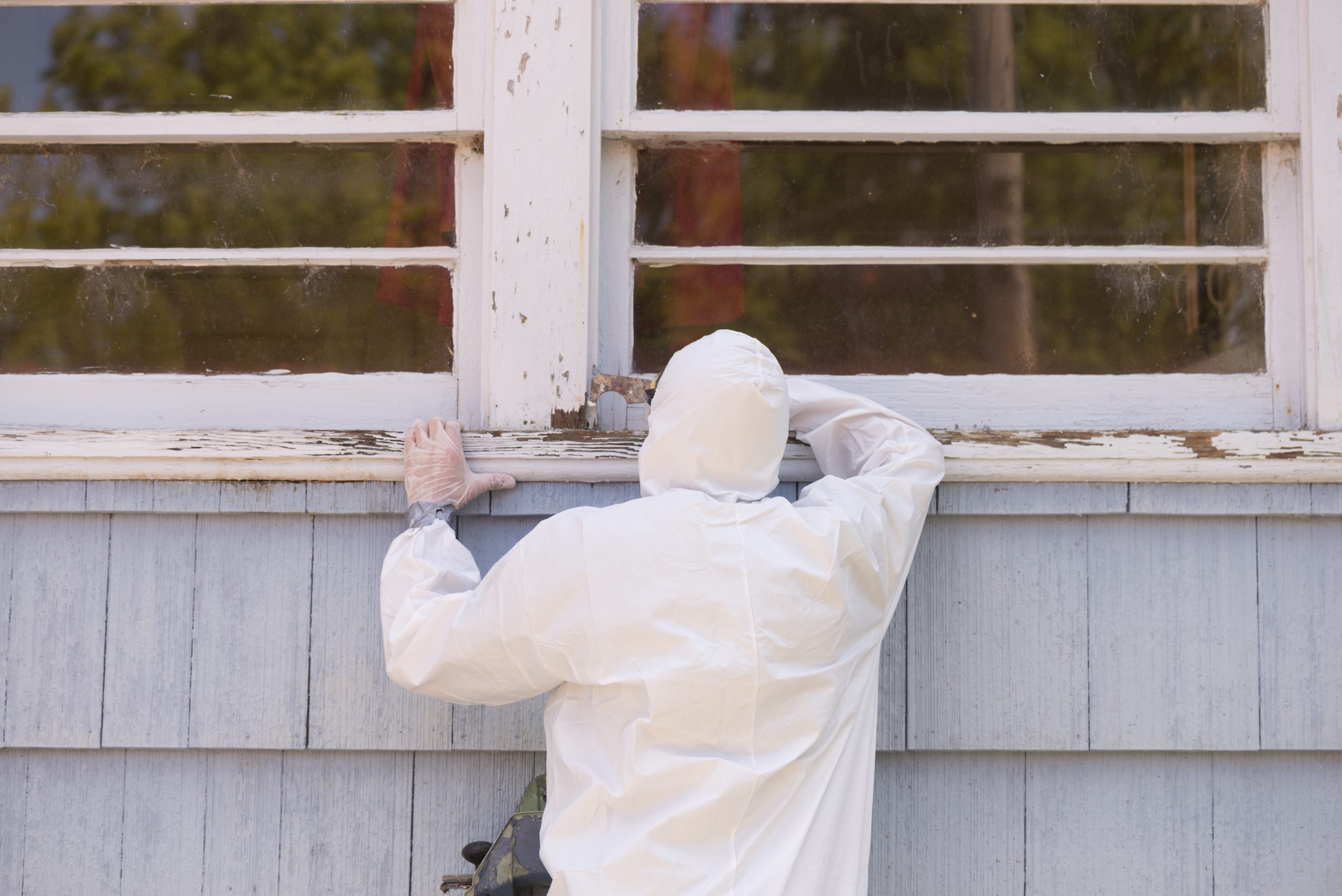
Lead poisoning is a serious health concern, especially for young children. Even low levels of lead exposure can cause irreversible damage to a child’s developing brain and nervous system.
Where Does Lead Come From?
While lead paint was banned in the United States in 1978, many older homes still contain lead-based paint. Other common sources of lead exposure include:
- Lead-based paint: This is the most common source of lead poisoning.
- Lead-contaminated dust: When lead-based paint deteriorates, it creates lead dust that can settle on surfaces and be inhaled or ingested.
- Lead-contaminated soil: Soil near older homes may contain lead from paint chips or other sources.
- Drinking water: Older pipes and fixtures may contain lead, which can leach into drinking water.
How to Protect Your Family
- Get Your Home Tested: If you live in an older home, it’s important to have your home tested for lead. A certified inspector can test paint, dust, and water.
- Renovate Safely: If you plan to renovate an older home, hire a certified lead-safe renovator. They know how to safely remove lead-based paint and minimize dust.
- Keep Your Home Clean: Regular cleaning can help reduce lead exposure. Wet-mop floors, wipe down surfaces, and vacuum frequently.
- Test Your Drinking Water: Consider testing your drinking water for lead, especially if you have older plumbing.
- Use a Water Filter: Installing a water filter certified to remove lead can help reduce exposure.
Atlantic Abatement: Your Partner in Lead Safety
Atlantic Abatement is committed to protecting your family’s health. Our certified professionals can:
- Test your home for lead
- Safely remove lead-based paint
- Clean up lead-contaminated dust and debris
Don’t let lead poisoning put your family’s health at risk. Contact Atlantic Abatement today to schedule a consultation.